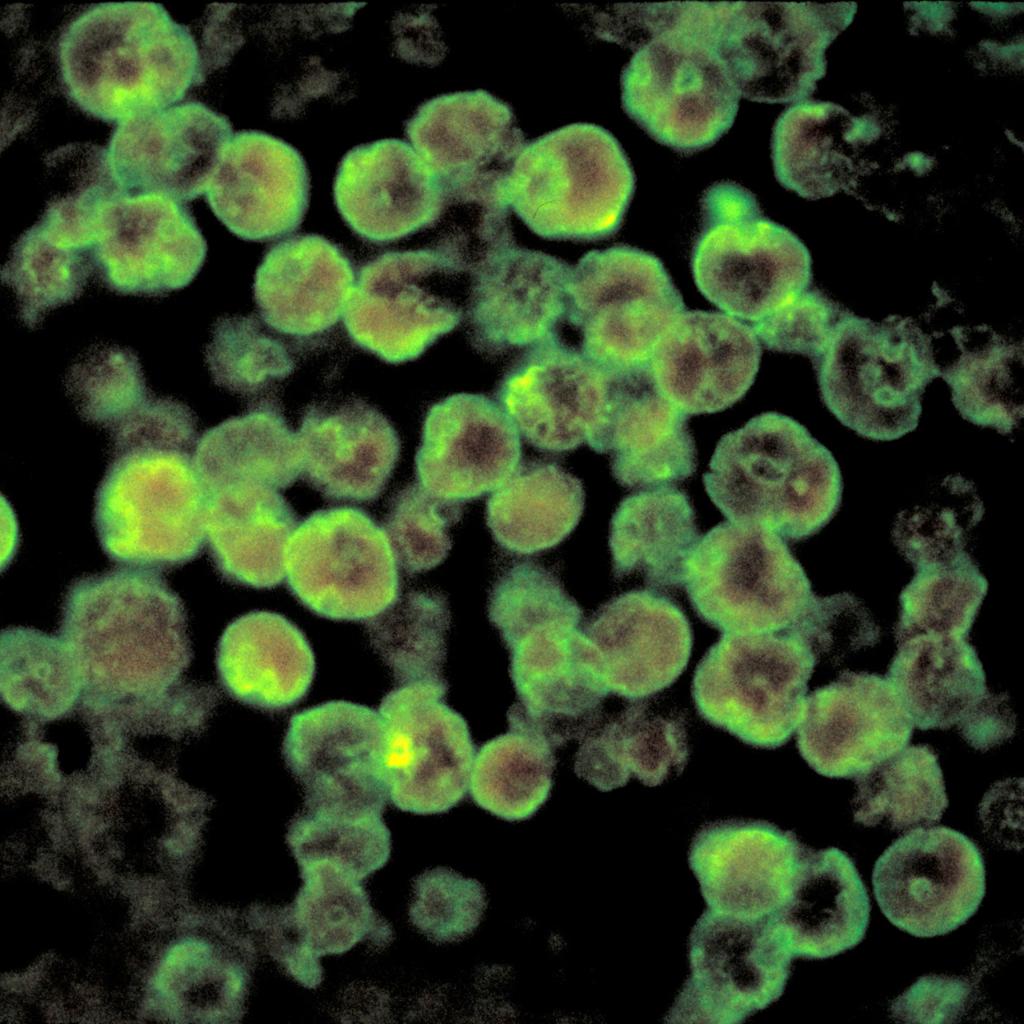
A rare and serious freshwater infection has been reported in central North Carolina, where a teenager is critically ill after contracting Naegleria fowleri, a microscopic organism commonly known as the “brain-eating amoeba.” The North Carolina Department of Health and Human Services reported the case on August 27, 2026, while emphasizing that infections of this kind are extremely uncommon.

Naegleria fowleri is a naturally occurring organism that can be found in warm freshwater, including lakes, ponds, and rivers. Although exposure is common, infection is extraordinarily rare. The organism can cause a severe illness called primary amebic meningoencephalitis (PAM) when contaminated water enters the body through the nose.
The infection does not ordinarily occur from drinking or swallowing contaminated water. Instead, the amoeba can enter through the nasal passages and travel toward the brain. Recreational activities that cause water to be forced into the nose may increase the potential for exposure.
Symptoms of PAM can initially resemble other illnesses. Early warning signs may include severe headache, fever, nausea, and vomiting. As the infection progresses, patients can develop more serious symptoms such as a stiff neck, confusion, seizures, and loss of consciousness. Because the disease can progress rapidly, anyone who develops concerning symptoms after freshwater exposure should seek emergency medical attention and tell healthcare professionals about the exposure.
Health officials are stressing that the risk remains very low. According to available CDC data, only a small number of Naegleria fowleri infections are reported in the United States each year. The presence of the organism in warm freshwater does not mean that recreational swimming is generally unsafe.
Nevertheless, people can take precautions to reduce potential exposure. Health officials recommend preventing warm freshwater from entering the nose, using a nose clip or holding the nose closed when entering freshwater, avoiding activities that force water into the nasal passages, and avoiding the disturbance of sediment in shallow, warm freshwater.
The North Carolina case has renewed public awareness about the importance of freshwater safety, particularly during periods of high temperatures. Investigators are continuing to examine the circumstances surrounding the teenager’s exposure and may provide additional information as the investigation develops.
For now, the focus remains on the teenager’s medical care and the family’s privacy. The case is a sobering reminder of the rare environmental risks that can exist in natural waterways while also underscoring that Naegleria fowleri infections remain exceptionally uncommon.